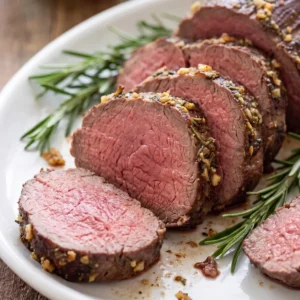

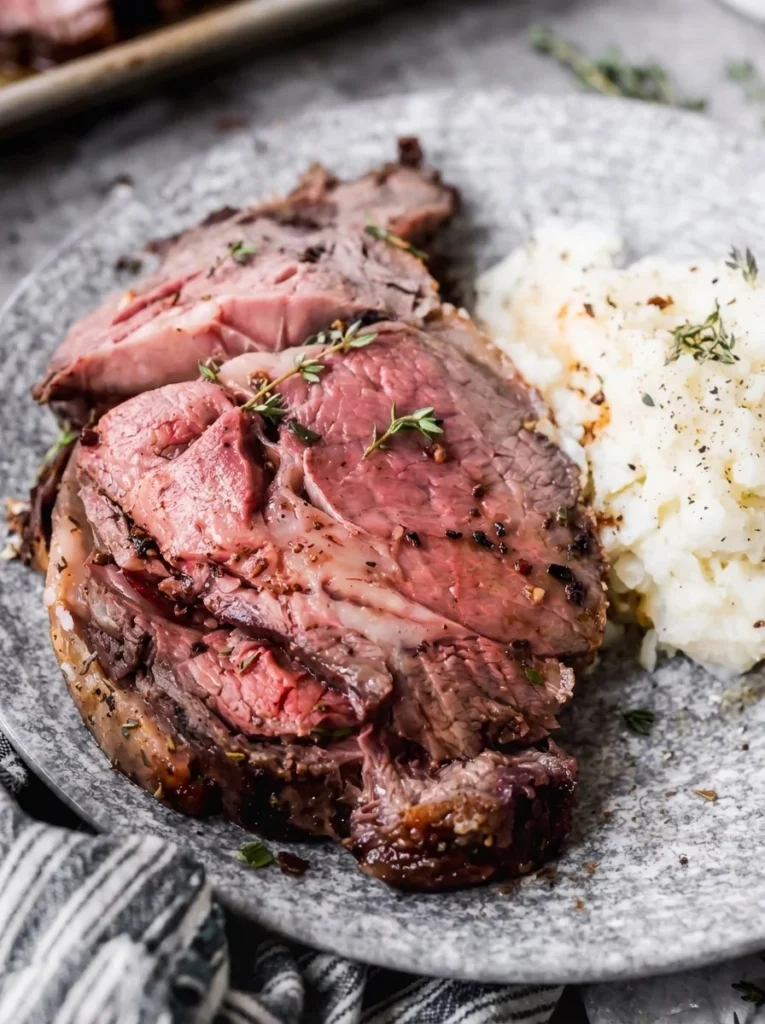
A Prime Rib Roast is not just a meal; it’s a centerpiece that elevates any gathering. This classic dish boasts a rich flavor and tender texture, making it perfect for special occasions like holidays, family dinners, or celebrations. With its beautiful crust and juicy interior, this prime rib roast is sure to impress your guests and leave them asking for seconds.
Why You’ll Love This Recipe
- Easy to Prepare: With simple ingredients and straightforward steps, you’ll find this recipe accessible even for novice cooks.
- Impressive Presentation: The prime rib roast makes for an eye-catching main course that is sure to wow your guests at any dinner party.
- Flavor Bomb: The combination of seasonings creates a robust flavor profile that enhances the natural taste of the beef.
- Versatile Serving Options: This dish pairs wonderfully with various sides, allowing you to customize your meal according to the occasion.
- Great Leftovers: Enjoy delicious roast beef sandwiches or hearty beef stew the next day!
Tools and Preparation
Before diving into cooking, gather the necessary tools. Having everything ready will streamline the process and ensure success.
Want to save this recipe?
Just enter your email and get it sent to your inbox! Plus you'll get new recipes from us every week!
Essential Tools and Equipment
- Roasting pan
- Roasting rack
- Meat thermometer
- Sharp carving knife
- Aluminum foil
Importance of Each Tool
- Roasting pan: Provides a sturdy base for cooking and collecting drippings for gravy.
- Meat thermometer: Ensures precise cooking by checking the internal temperature for perfect doneness.
- Sharp carving knife: Allows you to slice through the roast cleanly, preserving its juices and presentation.
Ingredients
A savory prime rib roast, perfectly seasoned and slow-roasted for a tender, juicy main course, ideal for special occasions. This recipe ensures a delicious crust and a beautifully cooked interior.
For the Prime Rib Roast
- 1 (6-7 pound) bone-in prime rib roast (3 ribs)
For Seasoning
- 2 tablespoons Kosher salt
- 1 tablespoon freshly ground black pepper
- 1 tablespoon garlic powder
- 1 teaspoon onion powder
- 1 teaspoon dried thyme
For Cooking
- 2 tablespoons olive oil
How to Make Prime Rib Roast
Step 1: Prepare the Roast
Remove the prime rib roast from the refrigerator at least 2 hours before cooking to allow it to come to room temperature. Pat the roast completely dry with paper towels. This is crucial for a good crust.
Step 2: Seasoning Mix
In a small bowl, combine the Kosher salt, black pepper, garlic powder, onion powder, and dried thyme. Rub the olive oil evenly over all sides of the roast, then generously apply the seasoning mixture, pressing it into the meat.
Step 3: Preheat Your Oven
Preheat your oven to 450°F. Place the seasoned roast, fat side up, on a roasting rack in a sturdy roasting pan.
Step 4: Roasting Process
Roast for 15 minutes at 450°F to develop a crust. After 15 minutes, reduce the oven temperature to 325°F without opening the oven door.
Step 5: Continue Roasting
Continue to roast at 325°F for approximately 2 to 2.5 hours or until a meat thermometer inserted into the thickest part of the roast (without touching bone) reads 120-125°F for medium-rare or 125-130°F for medium.
Step 6: Resting Period
Once the desired internal temperature is reached, carefully remove the roast from the oven and transfer it to a carving board. Loosely tent the roast with aluminum foil and let it rest for at least 20-30 minutes before carving. The internal temperature will continue to rise during this resting period.
Step 7: Carving
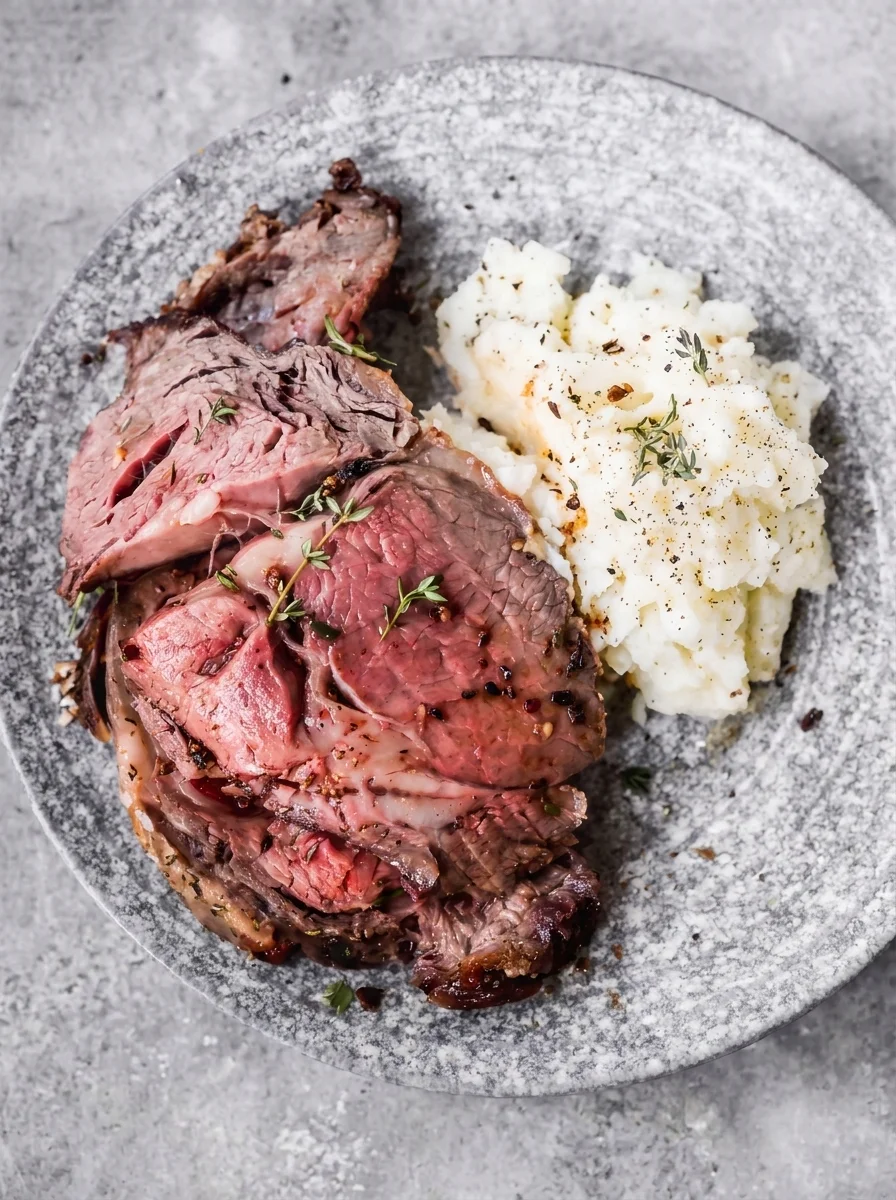
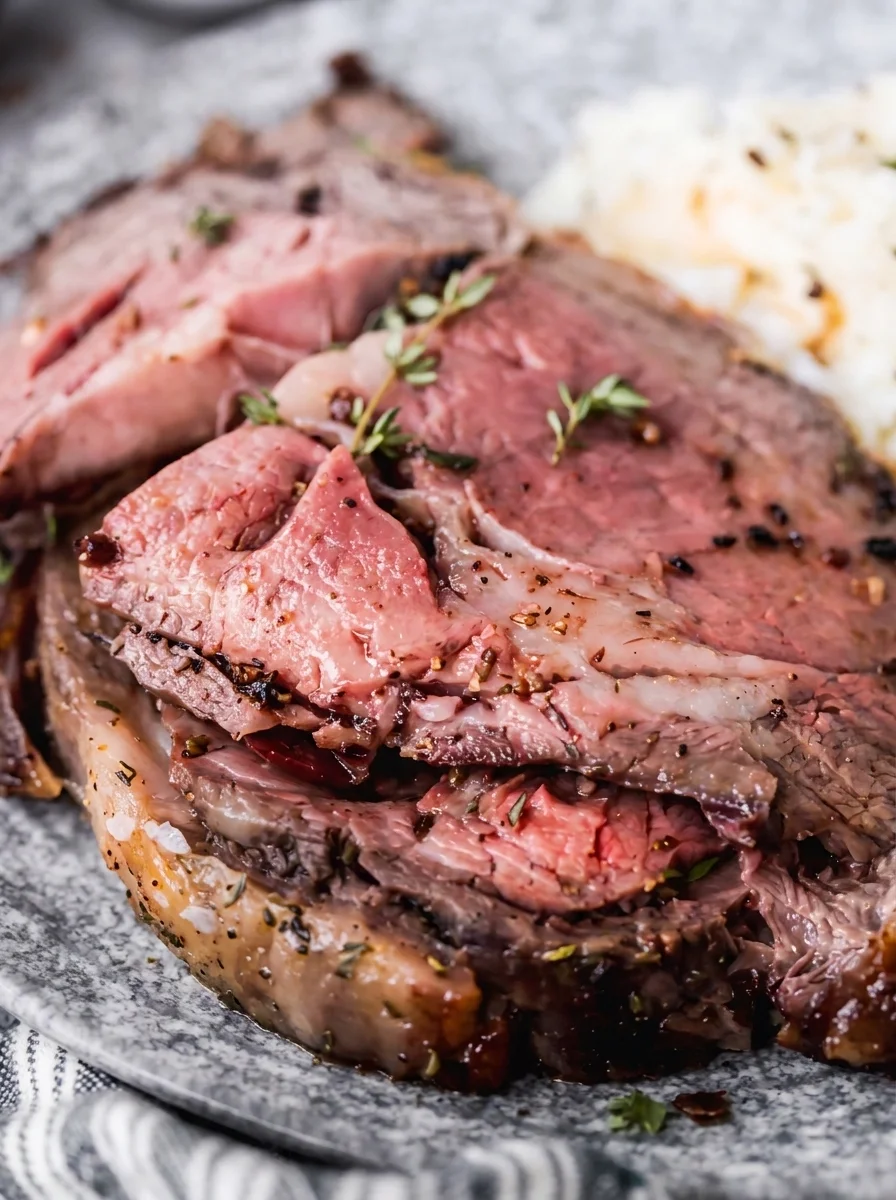
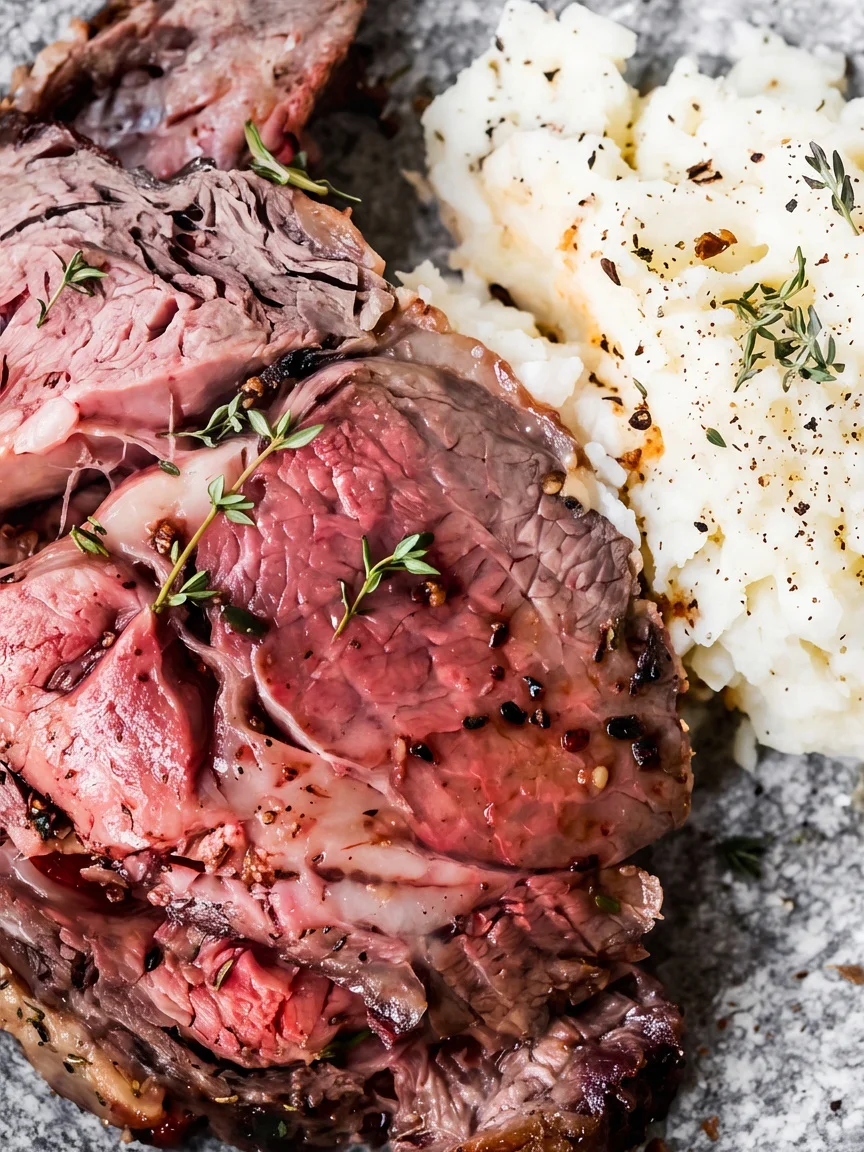
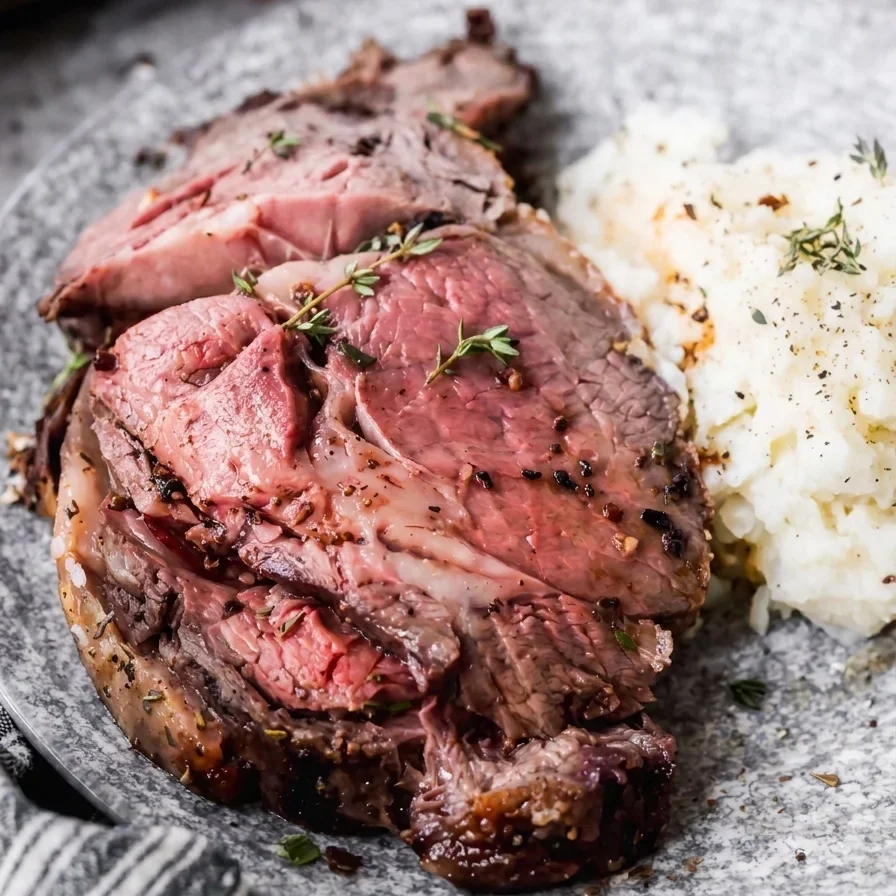
Carve the roast into thick slices against the grain, ensuring each slice has a portion of the savory crust. Serve immediately.
How to Serve Prime Rib Roast
Serving prime rib roast is a delightful experience that enhances any special occasion. This succulent dish pairs beautifully with various sides and sauces, elevating the meal to an unforgettable feast.
Classic Accompaniments
- Horseradish Sauce: A tangy complement that cuts through the richness of prime rib.
- Au Jus: A savory beef broth for dipping that adds moisture and flavor to each slice.
Side Salads
- Caesar Salad: Crisp romaine lettuce paired with creamy dressing and crunchy croutons adds freshness.
- Wedge Salad: Iceberg lettuce topped with blue cheese dressing, bacon, and tomatoes offers a satisfying crunch.
Potatoes
- Garlic Mashed Potatoes: Creamy and buttery with a hint of garlic, these potatoes are perfect for soaking up juices.
- Roasted Potatoes: Crispy on the outside and fluffy inside, seasoned with herbs for extra flavor.
Vegetables
- Grilled Asparagus: Lightly charred asparagus drizzled with olive oil makes a vibrant side.
- Honey Glazed Carrots: Sweet and tender carrots add a pop of color and sweetness to the plate.
How to Perfect Prime Rib Roast
Creating the perfect prime rib roast requires attention to detail. Follow these tips to ensure your roast turns out outstanding every time.
- Choose Quality Meat: Select a well-marbled prime rib roast for tenderness and flavor.
- Allow for Resting Time: Letting the roast rest after cooking allows juices to redistribute, resulting in a juicier finish.
- Use a Meat Thermometer: To achieve your desired doneness, use an accurate meat thermometer for precise cooking.
- Season Generously: Don’t be shy with your seasoning; it enhances the flavor of the meat beautifully.
- Carve Against the Grain: Slicing against the grain helps ensure each piece is tender and easy to chew.
Best Side Dishes for Prime Rib Roast
Pairing delicious side dishes with your prime rib roast can make your meal even more enjoyable. Here are some great options that complement this classic dish perfectly.
- Creamed Spinach: Rich and creamy spinach that balances the hearty meat.
- Yorkshire Pudding: Fluffy pastries that soak up gravy wonderfully; a traditional favorite.
- Baked Macaroni and Cheese: Comfort food at its finest; creamy cheese sauce over pasta adds warmth.
- Brussels Sprouts with Bacon: Crispy Brussels sprouts sautéed with bacon provide a smoky flavor contrast.
- French Fries or Steak Fries: A crispy side that everyone loves, perfect for dipping in au jus or gravy.
- Corn on the Cob: Sweet corn adds a burst of freshness alongside rich beef flavors.
Common Mistakes to Avoid
Cooking a prime rib roast can be an incredible experience, but there are common pitfalls to watch for. Avoiding these mistakes will help ensure your roast turns out perfect every time.
- Skipping room temperature: Not letting the prime rib roast sit out before cooking can lead to uneven cooking. Always allow it to reach room temperature for at least 2 hours.
- Inadequate seasoning: Under-seasoning the meat can result in bland flavor. Generously apply the seasoning mixture, pressing it into the meat to enhance taste.
- Opening the oven door: Constantly checking on the roast by opening the oven can cause temperature fluctuations. Resist the urge and trust your timer.
- Not resting the roast: Cutting into the prime rib roast too soon will release juices, leading to dryness. Always let it rest for 20-30 minutes before carving.
- Ignoring internal temperature: Using a thermometer is essential for achieving your desired doneness. Monitor closely and remove it from the oven when it reaches 120-125°F for medium-rare.
Storage & Reheating Instructions
Refrigerator Storage
- Store any leftover prime rib roast in an airtight container.
- It will stay fresh for up to 3 days in the refrigerator.
Freezing Prime Rib Roast
- Wrap slices of prime rib roast tightly in plastic wrap or aluminum foil.
- Store in a freezer-safe container or bag for up to 3 months.
Reheating Prime Rib Roast
- Oven method: Preheat your oven to 250°F and place the slices on a baking sheet. Cover with foil and heat until warmed through, about 20-30 minutes.
- Stovetop method: Heat slices in a skillet over low heat with a splash of broth or water, covering to retain moisture. This keeps the meat juicy.
Frequently Asked Questions
What is the best way to season Prime Rib Roast?
A mix of Kosher salt, black pepper, garlic powder, onion powder, and dried thyme creates an excellent seasoning blend that enhances flavor.
How long should I cook Prime Rib Roast?
Cook at 450°F initially for 15 minutes, then reduce to 325°F for about 2 to 2.5 hours depending on desired doneness.
Can I freeze leftover Prime Rib Roast?
Yes! Wrap and store properly in a freezer-safe container for up to 3 months without losing much quality.
How do I know when my Prime Rib Roast is done?
Use a meat thermometer; aim for 120-125°F for medium-rare or 125-130°F for medium before resting.
What sides pair well with Prime Rib Roast?
Classic sides include mashed potatoes, roasted vegetables, or a fresh salad. These complement the rich flavors of the roast beautifully.
Final Thoughts
The classic prime rib roast is a stunning centerpiece for any special occasion or family gathering. Its savory crust and tender interior make it irresistible. Feel free to customize with your favorite herbs or spices to make this dish truly your own!
MAIN DISH
Prime Rib Roast
Ingredients
- 1 (6-7 pound) bone-in prime rib roast (3 ribs)
- 2 tablespoons Kosher salt
- 1 tablespoon freshly ground black pepper
- 1 tablespoon garlic powder
- 1 teaspoon onion powder
- 1 teaspoon dried thyme
- 2 tablespoons olive oil
Instructions
- Remove the prime rib roast from the refrigerator at least 2 hours before cooking to allow it to come to room temperature. Pat the roast completely dry with paper towels. This is crucial for a good crust.
- In a small bowl, combine the Kosher salt, black pepper, garlic powder, onion powder, and dried thyme. Rub the olive oil evenly over all sides of the roast, then generously apply the seasoning mixture, pressing it into the meat.
- Preheat your oven to 450°F. Place the seasoned roast, fat side up, on a roasting rack in a sturdy roasting pan.
- Roast for 15 minutes at 450°F to develop a crust. After 15 minutes, reduce the oven temperature to 325°F without opening the oven door.
- Continue to roast at 325°F for approximately 2 to 2.5 hours, or until a meat thermometer inserted into the thickest part of the roast (without touching bone) reads 120-125°F for medium-rare, or 125-130°F for medium.
- Once the desired internal temperature is reached, carefully remove the roast from the oven and transfer it to a carving board. Loosely tent the roast with aluminum foil and let it rest for at least 20-30 minutes before carving. The internal temperature will continue to rise during this resting period.
- Carve the roast into thick slices against the grain, ensuring each slice has a portion of the savory crust. Serve immediately.
Did you make this recipe?
Thank you for making my recipe! You took pictures, right? Well go ahead and post them on Instagram! Be sure to mention me and use the hashtag.